

The landscape of modern technology is often dominated by the success stories of smartphones and social media platforms. Yet, behind these victorious inventions lies a multitude of unique gadgets that, despite their creative designs and concepts, failed to resonate with consumers. These products, while bizarre or unconventional, offer valuable insights into the potential of technology and the intricacies of consumer acceptance.
Innovation can be a chaotic process, often requiring inventors to take significant risks. This article delves into 15 of the weirdest tech items that didn’t achieve widespread popularity, highlighting their features, what went wrong, and what made them stand out.
Sony Rolly
The Sony Rolly was an egg-shaped music player designed to dance while playing tunes. It featured two rubber wheels for movement, stereo speakers that emerged from its wings, and LED lights that created colorful effects. Users could play music via its internal memory or stream through Bluetooth, and it even included software to choreograph dance moves. However, its $399 price, lack of a screen, and poor audio quality led to its commercial failure, and it was discontinued shortly after its launch.
Nabaztag
The Nabaztag was a quirky Wi-Fi-enabled robotic rabbit. It could read news, weather updates, and even interact with Facebook. With a whimsical personality, it would move its ears and play sounds, but its high price and limited functionality made it more of a novelty than a necessity. When the company went bankrupt and shut down servers, many of these rabbits became obsolete, although some still operate on custom software.
Clocky Alarm Clock
Clocky was designed to make waking up a playful experience. This alarm clock would jump off the nightstand and roll away when it went off, forcing users to chase it to silence the alarm. Its innovative design included shock-absorbing wheels, but it ultimately remained a novelty item rather than a mainstream solution for waking up.
Hushme
The Hushme was a voice mask intended for privacy during phone conversations in public spaces. Its design muffled the wearer’s voice while allowing them to speak. Despite its unique concept, the device drew more attention for its unusual appearance than for its practicality, limiting its appeal.
Twirling Spaghetti Fork
This motorized fork was designed to assist individuals with limited mobility in eating spaghetti. While it was an interesting concept, it was often seen as a humorous gadget rather than a practical tool for everyday use, aligning with the Japanese art of chindogu.
Air-Conditioned Fan Jacket
Invented to combat heat efficiently, the air-conditioned fan jacket featured battery-powered fans that circulated air around the wearer. Despite its innovative approach, the jacket struggled to gain traction outside Japan, as many people preferred to remove layers in hot weather.
Teasmades
Teasmades combined an alarm clock with an automated tea brewer, allowing users to wake up to freshly made tea. While popular in the UK during the 60s and 70s, the advent of fast electric kettles and central heating diminished its relevance.
Samsung Ballie
The Samsung Ballie was envisioned as a smart home assistant that could roll around the house, manage devices, and project interactive content. Despite the initial excitement, it never reached retail markets due to unclear positioning in a saturated market.
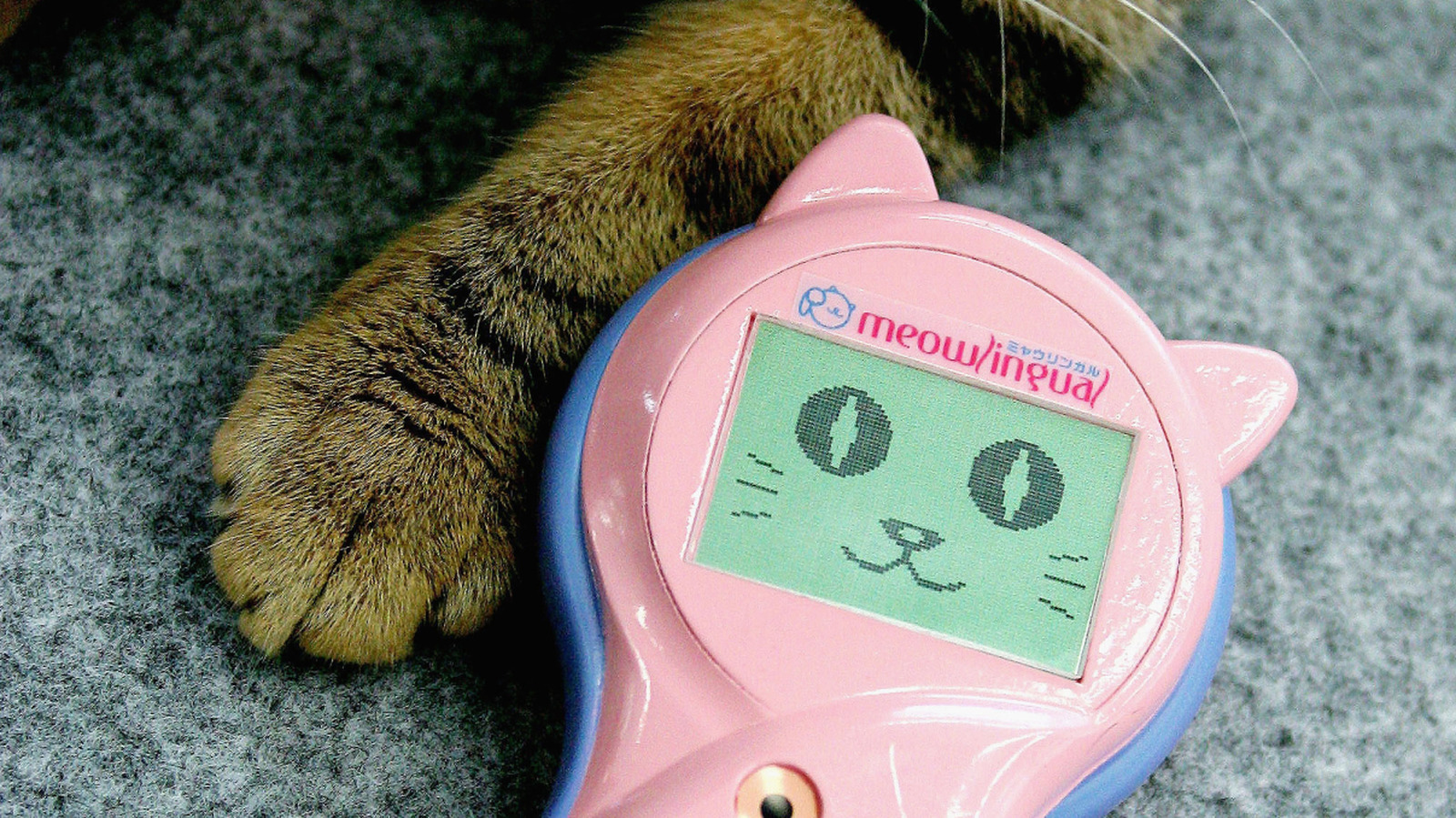
Meowlingual
Meowlingual was a device that claimed to translate cat sounds into human phrases. However, its accuracy was questionable, and the novelty of the concept did not translate into widespread adoption.
Air Purifying Face Masks
These Bluetooth-enabled face masks offered air purification and interactive features but were often heavy and uncomfortable, limiting their appeal during the pandemic.
Enomad Uno
This portable hydroelectric generator was aimed at campers, converting water movement into electricity. Despite its innovative design, practical limitations and a high price point hindered its popularity.
LG StanbyME Go
The LG StanbyME Go was a portable entertainment system designed for outdoor use. However, its weight and limited battery life made it less practical than alternatives like laptops or tablets.
Rollkers
Rollkers were personal mobility devices intended to enhance walking speed. However, their short battery life and slow development have kept them in the prototype phase for years.
CD-ROM Magazines
These digital publications offered multimedia content on CDs but fell out of favor with the rise of the internet, making them a relic of the 90s.
Qoobo
Qoobo is a headless robotic pillow designed to provide comfort without the responsibilities of pet ownership. Its unusual design and functionality have prevented it from achieving mainstream success.
Each of these gadgets serves as a reminder that not every innovation will succeed in the market, no matter how unique or creative it may be. They highlight the unpredictable nature of consumer preferences and the challenges that come with introducing new technology to the public.
Source: SlashGear News