

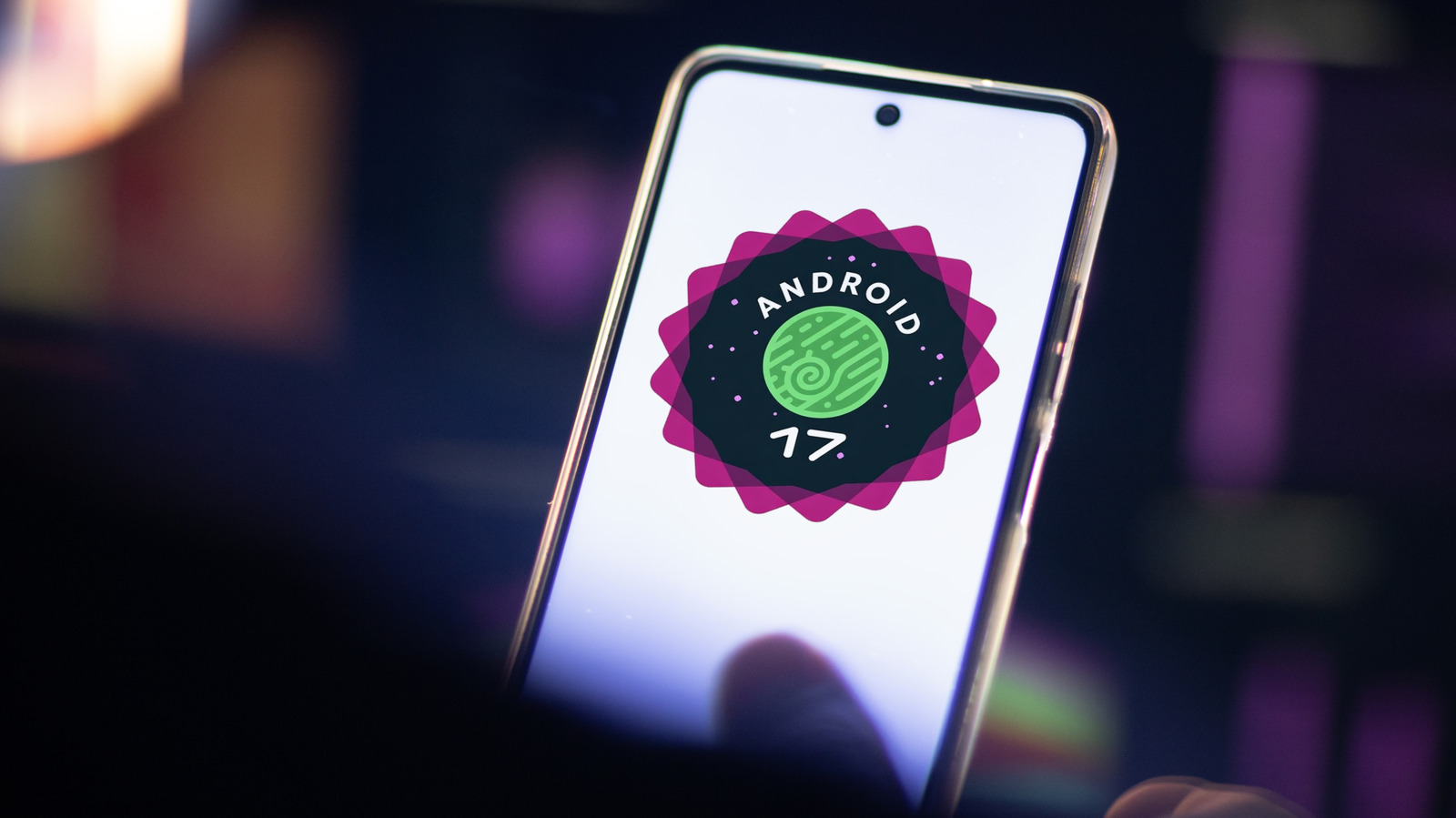
Android 17, the forthcoming major iteration of Google's mobile operating system, is currently in beta testing and is anticipated to launch for the general public in June 2026. Google's Pixel phones will be the first to receive this update. Unlike iOS, which is limited to iPhones, Android is used by many manufacturers globally, each often adding their unique features. Consequently, your smartphone may receive the Android 17 update anywhere from a few days to several months after its official release.
However, whether your phone will receive the update depends on its eligibility. Generally, if your Android phone was released within the last two or three years, it is likely to be eligible. The Ecodesign Requirements established by the European Union mandate that manufacturers provide operating system updates for their smartphone models for a minimum of five years. Major Android manufacturers in the U.S. comply with these rules, with some like Google and Samsung even extending their support to seven years of major Android updates.
This implies that models such as the Galaxy S26, S25, S24, and S23 series are very likely to receive the Android 17 update. Additionally, the Galaxy Z Fold 5 and Z Flip 5, along with newer models from the Galaxy A and M-series, are also expected to get the upgrade. Google has confirmed that every phone and foldable model starting from the Pixel 6a will be updated to Android 17.
What About Other Android Manufacturers?
Numerous smartphone manufacturers exist within the Android ecosystem besides Samsung and Google. However, not all adhere strictly to the EU's guidelines or may exploit loopholes. For example, Nothing currently commits to providing only up to four years of major updates for its recent flagship devices. The Nothing Phone (3) and Phone (4a) series are expected to receive Android 17, while the Nothing Phone (1), Phone (2), and CMF Phone 1 may not.
Motorola's update policy is inconsistent. Although the company has a software upgrade guide tool on its website, it often lacks clarity regarding the duration of updates for specific devices. Nevertheless, newer models from the Razr and Edge series are anticipated to receive the Android 17 update.
Brands like OnePlus and Oppo, however, have clearer policies regarding software updates. OnePlus has a community post detailing which devices will receive new Android versions, promising four years of updates for its flagship models. Therefore, the OnePlus 11, 12, 13, and 15 are set to receive the latest Android update, while its Nord series may not get as much support. Oppo's flagship models also receive up to four years of Android updates, while its mid-range and budget smartphones receive fewer updates. If you own an Oppo Find or Reno-series smartphone from the past two years, you are likely to receive Android 17.
Staying Up-to-Date with the Latest Android Version
The vast array of Android smartphones released annually by various manufacturers has resulted in significant fragmentation. A simple way to determine if your phone is eligible for the Android 17 update is to check if it is running a recent version of Android 16. If your device is already lagging behind, it may not qualify for the Android 17 update either. You can check for updates on your Android device by navigating to Settings > System > Software Update; the exact menu names might vary depending on the manufacturer.
Some notable features in Android 17 include capabilities to hide app labels on the home screen, improved screen recording features, and the option to use any app in a floating bubble. These features have been demonstrated in developer builds of Android 17, although the final version may implement them differently.
It is also important to note that most Android manufacturers apply their own visual styles to stock Android. Consequently, the Android 17 experience on a OnePlus device running OxygenOS will differ significantly from that on a Pixel smartphone utilizing Google's Android experience. Even if your device is not scheduled to receive the Android 17 upgrade, it will likely continue to receive essential security updates to address vulnerabilities.
Source: SlashGear News