

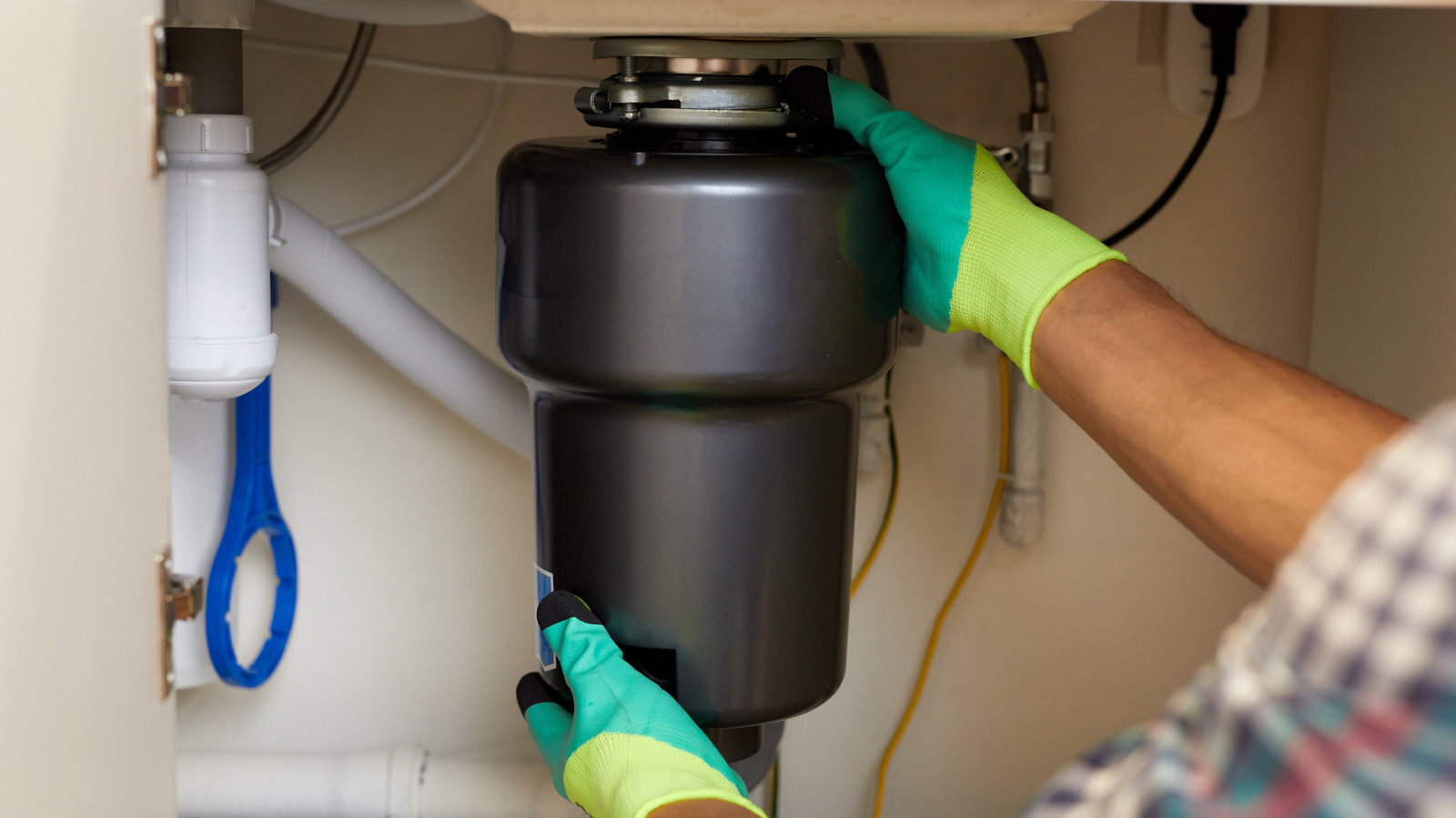
In North America, garbage disposals are considered vital components of modern kitchens, often included in the design of newly constructed homes. Understanding the lifespan and maintenance of these devices is essential for homeowners looking to maximize their investment. According to research by the International Association of Certified Home Inspectors, a typical garbage disposal lasts around 12 years. This lifespan is approximately double that of a trash compactor, which averages just six years, and is comparable to that of a microwave.
It is important to note that these lifespan estimates are based on regular maintenance and normal usage conditions. The more care you provide, the longer your disposal is likely to last. Professional insights align with this average; for instance, Reliance Plumbing Sewer & Drainage Inc. suggests a slightly lower expectancy of about 10 years, while Mr. Rooter Plumbing offers a broader range of 8 to 15 years. Both organizations emphasize the significance of user habits, suggesting that factors like the age of the disposal and how it is treated can greatly influence its longevity.
Extending the Life of Your Garbage Disposal
Garbage disposals function by grinding food waste in designated chambers, using a motor to push debris through an impeller plate. The more demanding the waste, the harder the disposal has to work. To prolong its life, users should only introduce waste that is appropriate in size and consistency; for example, hard items like bones and tough-shelled nuts should be avoided. Likewise, substances like congealed cooking oil can harm both the disposal and the plumbing system. Softer, manageable waste should be disposed of in the unit, while tougher items should go in the trash.
Over time, minor blockages may occur. To address these, a mixture of vinegar and baking soda can be effective in breaking down clogs and can also serve as a regular maintenance solution. Additionally, using specially designed brushes can help keep the internal components clean. It's crucial to monitor the disposal regularly to prevent buildup and avoid risky practices like using chemical drain cleaners, which can cause damage and pose safety hazards.
Identifying Problems with Your Garbage Disposal
Even with the best habits, wear and tear are inevitable as appliances age. Recognizing the warning signs is essential for maintaining safety and functionality. Common issues include decreased efficiency, unusual noises, or slow operation. Any leaks, whether large or small, indicate that the system requires immediate attention. Smaller problems, such as jams, may be fixable by homeowners or professionals, but major failures, like a motor breakdown, often signal the need for replacement.
According to industry estimates, the average lifespan of 10 to 12 years suggests that as disposals age, the severity and cost of problems can increase. For example, significant issues can often be repaired if the disposal is less than five years old, but for units over a decade old, replacement may be the more practical option, even for minor issues. This aligns closely with the lifespan expectations set by various plumbing professionals.
In summary, understanding the average lifespan of garbage disposals and recognizing the signs of potential problems can help homeowners make informed decisions about maintenance and replacement. By adopting good practices and being vigilant about the disposal's condition, users can enjoy a longer-lasting and more efficient appliance.
Source: SlashGear News