

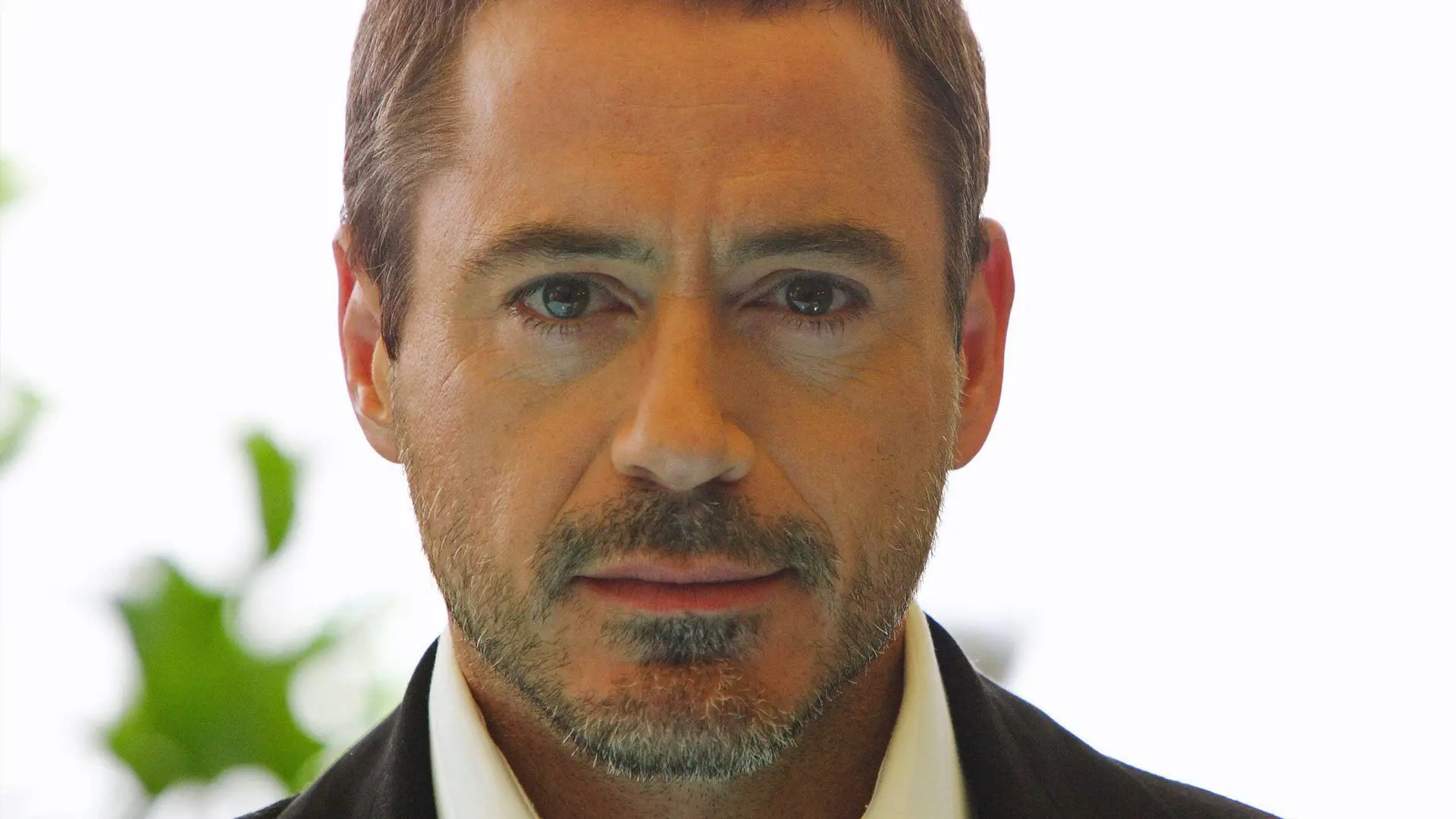
In the history of the Marvel Cinematic Universe (MCU), few casting decisions have been as controversial — and ultimately as transformative — as the choice of Robert Downey Jr. to play Tony Stark, the billionaire genius who becomes Iron Man. At a time when the actor was more famous for his drug arrests than his film roles, Marvel Studios' board of directors was deeply skeptical. David Maisel, one of the founders and former chairman of Marvel Studios, recently revealed in an interview with The New Yorker that the board believed he was "crazy" to entrust the future of the company to a known drug addict.
Maisel, however, had unwavering faith in Downey's talent and believed that the actor's personal demons — which had derailed a promising career in the 1990s — were behind him. "My board thought I was crazy to put the future of the company in the hands of a drug addict," Maisel recounted. "I made it clear to them how well-suited he was for the role. We all had confidence that he was clean and would stay that way." That conviction would prove to be the single most important decision in the history of Marvel Studios, setting the stage for a decade-long dominance of the global box office.
From Chaos to Comeback: The Road to Iron Man
Robert Downey Jr. had experienced a meteoric rise in the late 1980s and early 1990s with acclaimed performances in Chaplin (for which he received an Academy Award nomination), Short Cuts, and Natural Born Killers. But a spiral into drug addiction led to multiple arrests and rehab stints, effectively blacklisting him from major studio productions. By the mid-2000s, he was considered a high-risk hire — certainly not the kind of actor a fledgling studio like Marvel Studios would normally stake its future on.
Yet, Marvel was not a typical studio. In 2005, the company was deeply in debt and had licensed out its most famous characters to other studios (Spider-Man to Sony, X-Men to Fox). Determined to regain control, bankrolled Marvel's own productions starting with Iron Man. The choice of lead actor was crucial. A misstep could have ended the studio before it even began.
Jon Favreau, the director of Iron Man and later a Marvel regular himself, was a strong advocate for Downey. He saw in Downey not only the right look for Tony Stark but also the actor's lived experience — a man who had to rebuild his life after hitting rock bottom, mirroring Stark's own arc of redemption. Favreau's insistence, combined with Maisel's lobbying, eventually won over the board, though the alternative candidate — Timothy Olyphant, known for Deadwood and later Justified — was also heavily considered.
The Gamble That Paid Off: A Billion-Dollar Legacy
The risk was immediate and immense. Iron Man (2008) needed to be a hit not only to launch the MCU but to justify Marvel's self-financing model. The film earned $585 million worldwide, a massive success that validated the casting. Critics and audiences praised Downey's charismatic, witty, and vulnerable performance. He became the heart of the MCU, appearing in ten films over eleven years, from The Incredible Hulk (2008) to the emotional farewell in Avengers: Endgame (2019).
His role as Tony Stark/Iron Man also rehabilitated Downey's career, making him one of the highest-paid actors in the world. The character's arc — from a narcissistic weapons manufacturer to a self-sacrificing hero — resonated deeply, and the actor's own journey of sobriety added a layer of authenticity.
By the Numbers: Where Downey Stands Among Marvel's Most-Used Actors
Robert Downey Jr. appears in ten MCU films, tying with Mark Ruffalo (Bruce Banner/Hulk), Chris Evans (Steve Rogers/Captain America), and Paul Bettany (Vision). This places him third on the list of most frequent MCU performers. Only Don Cheadle (James Rhodes/War Machine) with eleven appearances (including the upcoming Armor Wars) and Samuel L. Jackson (Nick Fury) with fourteen appearances (including Secret Invasion and The Marvels) have been featured more.
It is worth noting that Downey's contract was among the most lucrative in Hollywood. His backend participation in Avengers: Endgame alone brought him over $75 million, according to reports. His final scene in that film — the snap that defeated Thanos and his whispered "I am Iron Man" — remains one of the most iconic moments in superhero cinema.
Cultural Impact and Enduring Relevance
Beyond the box office numbers, Downey's casting fundamentally changed how studios viewed actors with troubled pasts. It opened the door for other redemption stories in Hollywood. The decision also proved that a relatively unknown comic book character could be turned into a global franchise with the right actor and storytelling.
Today, even though Downey has left the MCU as Tony Stark, his legacy looms large. Marvel Studios has not yet found a direct replacement for Iron Man, and the void left by his departure has been referenced in films like Spider-Man: Far From Home and the What If...? animated series. Fans continue to hope for a return, despite the definitive ending of Endgame.
Looking back, David Maisel's insistence on casting Downey was a masterstroke. Had the board won the argument, the MCU might have never reached its heights. The phrase "I am Iron Man" is now synonymous with the entire Marvel enterprise — a testament to the importance of taking bold risks, even when everyone else thinks you are crazy.
Source: KINO News