

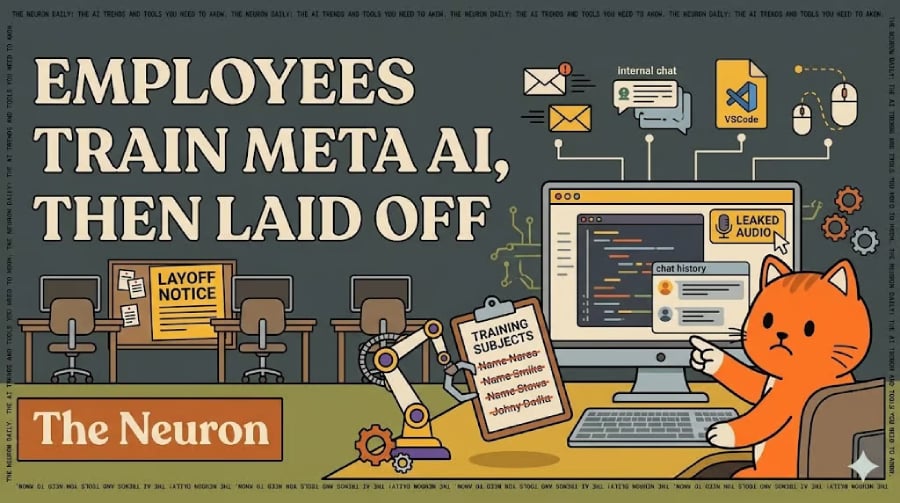
A leaked audio recording from a Meta internal meeting has shed light on why the company tracked employee activity, including badge swipes and internal tool usage, before its mass layoffs in November 2022. The recording, obtained by multiple news outlets, features Meta executives explaining that the tracking was part of a broader effort to identify underperforming employees and streamline the workforce. The revelation has ignited a new wave of debate about workplace surveillance and employee privacy in big tech.
Background on Meta's Layoffs
In November 2022, Meta announced it would lay off more than 11,000 employees, roughly 13% of its workforce, marking the first mass layoff in the company's history. CEO Mark Zuckerberg cited over-hiring during the pandemic and a challenging macroeconomic environment as key reasons. The layoffs came amid a broader industry downturn, with other tech giants like Amazon, Google, and Microsoft also cutting jobs. However, Meta's approach to identifying which employees to let go has come under scrutiny following the leaked audio.
What the Leaked Audio Reveals
The leaked audio, reportedly from a companywide meeting in late 2022, features Meta's then-head of people, Lori Goler, and other executives discussing the use of employee data to inform layoff decisions. According to the recording, Meta tracked employees' physical presence in offices via badge swipes, their usage of internal tools like Messenger and Workplace, and their participation in meetings. The data was used to create a “productivity score” for each employee, which then influenced who was selected for layoffs. The executives argued that this approach was necessary to ensure that the remaining workforce was highly efficient and aligned with Meta's new strategic priorities.
Productivity and Efficiency Goals
Meta's tracking efforts were part of Zuckerberg's broader “year of efficiency” initiative, announced in early 2023. The initiative aimed to flatten the company's hierarchy, cut middle management, and shift resources toward artificial intelligence and the metaverse. By monitoring employee activity, Meta sought to identify employees who were not contributing enough to these strategic goals. The audio reveals that managers were encouraged to use the tracking data as one of several factors when deciding who to let go, though they retained final discretion.
Privacy Concerns and Legal Implications
The tracking has raised significant privacy concerns among employees and labor advocates. Critics argue that monitoring badge swipes and tool usage can create a culture of distrust and may violate employee privacy expectations. In some jurisdictions, such tracking may also run afoul of labor laws, particularly if employees were not properly informed about the extent of monitoring. The leaked audio could also become evidence in ongoing class-action lawsuits related to the layoffs, where former employees claim they were unfairly terminated.
Industry Perspectives on Workplace Surveillance
Meta is not alone in its use of employee surveillance tools. Many large employers, including others in the tech sector, use software to track productivity, especially as remote and hybrid work have become more common. However, Meta's scale and the direct link to layoffs have attracted particular attention. Privacy experts point out that while companies have a legitimate interest in measuring performance, the use of such data for termination decisions requires transparency and consistency to avoid discrimination claims.
Meta's Response to the Leak
Following the leak, Meta executives maintained that the tracking was conducted within legal boundaries and was not the sole factor in layoff decisions. The company has since updated its employee monitoring policies and provided more clarity on what data is collected. However, the audio has fueled ongoing criticism that Meta's culture of “move fast and break things” has extended into employment practices.
The leaked audio also highlights the tension between Meta's public emphasis on employee well-being and its internal cost-cutting measures. In the recording, executives are heard discussing the need to “make tough decisions” to boost shareholder value, a sentiment that contrasts with earlier promises to foster a supportive work environment.
Impact on Meta's Workforce and Morale
The tracking revelation has further eroded trust among Meta employees, many of whom were already shaken by the layoffs. Surveys conducted by internal groups show that morale has dropped significantly, with employees feeling that their contributions are reduced to data points. Some have even advocated for unionization, a rare move in the tech industry. The tracking also created a sense of constant surveillance, with employees reporting that they changed their behavior to appear more productive in the eyes of algorithms.
Broader Lessons for the Tech Industry
Meta's approach serves as a cautionary tale for other companies considering similar surveillance tactics. Experts advise that any employee tracking program must be coupled with clear communication, consent, and safeguards against misuse. The backlash Meta has faced may discourage other firms from adopting such invasive methods. It also underscores the importance of human judgment in personnel decisions, rather than relying solely on quantitative metrics that may not capture the full picture of an employee's contributions.
In the months since the layoffs, Meta has continued to refine its performance management system. The company now claims to use a more balanced approach that combines manager feedback with objective data. However, the leak has permanently marked Meta's layoff process as one of the most controversial in recent tech history.
The audio recording is a stark reminder that in the race for efficiency and profitability, companies can easily cross ethical lines when it comes to employee privacy. As artificial intelligence and automation become more integrated into workplace management, the lessons from Meta's tracking experiment will likely influence future policies across the industry.
Source: eWEEK News