

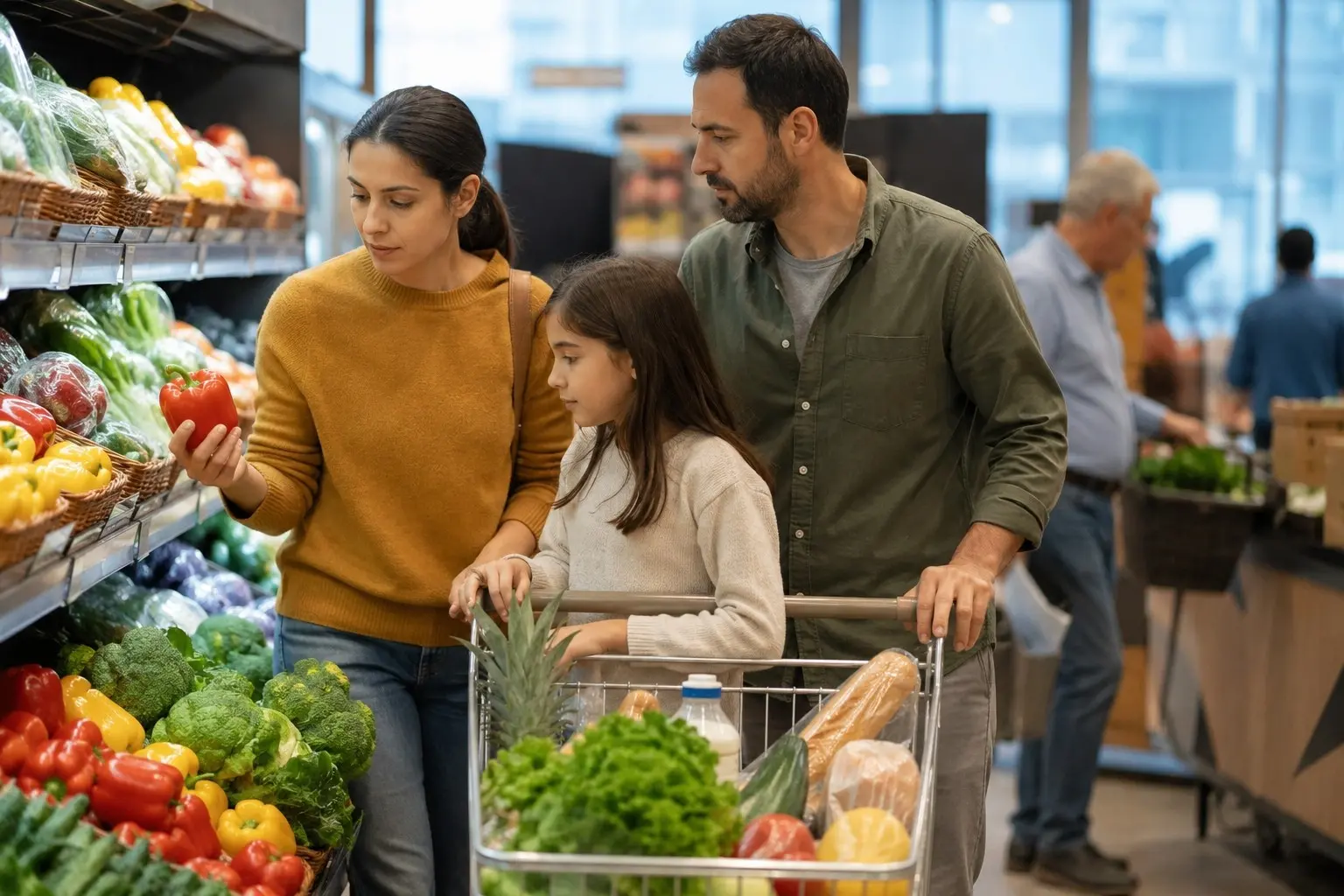
Food security in modern democracies is no longer just an agriculture issue. It now affects economic stability, public health, migration, elections, and even national security. Research from the last few years shows that rising food prices, climate disruptions, supply chain breakdowns, and political polarization are reshaping how democratic nations think about feeding their populations.
Food security in modern democracies refers to reliable access to affordable, safe, and nutritious food for all citizens. Recent research shows that inflation, climate change, supply chain disruptions, and unequal food access are creating long-term pressure on democratic systems worldwide.
Research findings about food security in modern democracies reveal something many governments ignored for years: stable food systems are directly tied to social stability. When food prices spike or shortages appear, public trust drops fast. You can see it in voter frustration, labor unrest, and growing pressure on policymakers.
What surprised me most while studying this topic is how quickly food insecurity spreads even in wealthy countries. A democracy may have advanced technology and strong institutions, but millions of citizens can still struggle to afford healthy meals. That contradiction is becoming harder to hide in 2026.
Modern food systems are deeply connected to energy costs, transportation networks, climate patterns, and international trade. When one part breaks, the effects move fast.
What Is Food Security in Modern Democracies?
Food Security: A condition where people consistently have physical and economic access to safe, nutritious, and affordable food that supports a healthy life.
In democratic nations, food security also carries a political dimension. Citizens expect governments to maintain stable food supplies and protect consumers from extreme market disruptions. If leaders fail to do that, trust erodes.
Researchers generally divide food security into four pillars:
Availability of food
Access and affordability
Nutritional quality
Stability over time
Here's the thing many people overlook: food insecurity doesn't always look like starvation. In most democracies, it appears as rising grocery bills, poor nutrition, dependence on processed foods, or families skipping meals quietly.
A realistic example would be a middle-income household in a large city. Parents may both work full-time, yet still cut fresh produce from their weekly shopping because rent and fuel costs consume most of their income. Technically, food exists in stores. Practically, healthy food becomes inaccessible.
Expert Tip
If you're analyzing food security trends, don't focus only on agricultural production. Research increasingly shows that affordability matters just as much as supply levels.
Why Food Security Matters in 2026
Food security matters more in 2026 because democracies are dealing with several overlapping pressures at once.
Climate instability has damaged crop reliability in many regions. Floods, droughts, and heatwaves are reducing agricultural output and increasing uncertainty for farmers. At the same time, energy prices and transportation costs continue influencing food prices globally.
What most guides miss is the political angle.
Food inflation affects voters emotionally because it's visible every single week. People might ignore economic indicators, but they notice when bread, rice, milk, or cooking oil suddenly cost more. Democracies depend heavily on public confidence, and food instability weakens that confidence quickly.
Research also suggests that food insecurity contributes to:
Higher healthcare spending
Lower educational performance among children
Increased social inequality
Greater political polarization
Stronger dependence on imported goods
One counterintuitive finding is that highly urbanized democracies can actually become more vulnerable than developing regions during supply disruptions. Cities rely heavily on transportation efficiency. A delay in logistics can create panic buying almost overnight.
I've seen policymakers focus heavily on emergency food aid while ignoring long-term resilience. That approach usually treats symptoms instead of fixing structural weaknesses.
How to Improve Food Security in Modern Democracies — Step by Step
1. Strengthen Local Food Production
Countries that rely too heavily on imports often struggle during international disruptions. Supporting domestic agriculture helps stabilize supply and pricing.
That doesn't mean every country must produce everything itself. But diversified local farming reduces dependence on fragile global systems.
Urban farming, greenhouse technology, and regional food hubs are becoming more common for this reason.
2. Reduce Food Waste Across Supply Chains
Research shows that a huge percentage of food never reaches consumers. Some spoil during transport. Some are discarded by retailers. Some are wasted at home.
Smarter logistics systems and consumer education can significantly improve efficiency.
A practical example is supermarket partnerships with food recovery programs. Instead of throwing away unsold items, businesses redirect them to community networks.
3. Invest in Climate-Resilient Agriculture
Modern democracies are increasingly funding drought-resistant crops, water conservation systems, and precision farming technology.
This matters because traditional farming calendars no longer work consistently in many areas.
Farmers need flexibility now, not just higher output.
4. Improve Food Affordability
Availability means little if families can't afford nutritious food.
Governments are experimenting with targeted subsidies, school meal programs, tax adjustments, and local food incentives. Some cities also support community markets in underserved areas.
In my experience, affordability programs work best when paired with local production efforts. Otherwise, governments end up subsidizing imported instability.
5. Build Stronger Emergency Reserves
Pandemic disruptions taught many democracies a hard lesson. Efficient systems can still collapse under stress.
Emergency food reserves and diversified supply routes provide breathing room during crises.
Countries with flexible storage infrastructure generally recovered faster from recent disruptions.
The Biggest Misconception About Food Security
Food Shortages Aren't Always the Main Problem
Many people assume food insecurity only happens when shelves are empty. That's outdated thinking.
In modern democracies, the larger issue is often unequal access.
Food may technically exist everywhere, yet healthy options remain financially unreachable for millions of citizens. Cheap calories are easy to find. Nutritious meals are not.
That's a major public health concern.
Research increasingly connects food insecurity with obesity, diabetes, and cardiovascular disease because low-cost processed foods dominate many markets.
A hypothetical case study makes this clearer.
Imagine two neighborhoods in the same city. One has organic grocery stores, fresh produce markets, and affordable transport. The other relies mostly on convenience stores with processed foods and limited fresh items. Both areas have food available, but only one truly has food security.
That distinction matters more than people realize.
Expert Tip
When studying food systems, pay attention to transportation access. Food deserts often develop because people physically can't reach affordable, healthy options consistently.
How Technology Is Changing Food Security Research
Technology is playing a bigger role than most consumers realize.
Artificial intelligence is now used to predict crop failures, monitor soil conditions, and optimize supply chains. Data analysis helps governments anticipate shortages before they become severe.
At the same time, digital food delivery systems have changed urban consumption patterns dramatically.
But here's my hot take: technology alone probably won't solve food insecurity.
I've noticed many governments celebrate agricultural innovation while ignoring wage stagnation and housing costs. If citizens spend most of their income on rent, even advanced food systems won't fully solve affordability problems.
Research keeps pointing back to the same truth. Economic inequality and food insecurity are deeply connected.
Another interesting shift involves blockchain-based supply tracking. Some democracies are experimenting with systems that improve food traceability and reduce fraud in agricultural markets.
Consumers increasingly want transparency about:
Where food comes from
How it's produced
Whether supply chains are ethical
How environmental standards are maintained
That trend is likely to grow through 2026 and beyond.
What Democracies Are Learning From Recent Crises
Recent global disruptions exposed weak points in food systems worldwide.
Pandemic restrictions disrupted labor availability. Shipping delays affected imports. Energy costs pushed production expenses higher. Climate events damaged crops simultaneously in multiple regions.
What makes modern democracies different is public accountability. Citizens expect visible responses from elected leaders.
Research findings suggest several lessons emerged:
Overdependence on global imports creates risk
Local agriculture still matters
Strategic reserves remain necessary
Food affordability shapes political trust
Nutrition policy affects long-term healthcare costs
One surprising finding is that smaller regional supply systems often adapted faster than giant centralized networks.
That goes against decades of assumptions about maximum efficiency.
Sometimes resilience matters more than speed.
Expert Tips and What Actually Works
If you want to understand food security realistically, stop thinking of it as just a farming issue. It's tied to wages, infrastructure, healthcare, education, and housing.
Here's what tends to work in practice:
Supporting smaller regional producers often improves supply resilience. Strong transportation systems reduce waste. School nutrition programs improve long-term public health outcomes. Consumer education also matters more than people think.
I've also noticed that countries with transparent communication during food disruptions maintain stronger public trust. People handle shortages better when governments communicate honestly.
Another overlooked point involves community participation. Local food cooperatives, neighborhood gardens, and farmer networks might seem small individually, but collectively they strengthen social resilience.
That human factor gets ignored in many policy reports.
Expert Tip
Short-term emergency relief is necessary during crises, but long-term food security usually depends on stable wages and affordable living costs.
People Most Asked About Food Security in Modern Democracies
Why is food security becoming a political issue?
Food prices directly affect household stability. When citizens struggle to afford basic groceries, frustration often turns into political pressure. Democracies depend heavily on public trust, so food instability becomes politically sensitive very quickly.
How does climate change affect food security?
Climate change disrupts rainfall patterns, damages crops, increases heat stress, and creates more unpredictable growing conditions. Research shows that agricultural volatility is increasing in many regions because of environmental shifts.
Can wealthy countries still face food insecurity?
Yes, absolutely. Wealthy democracies may have strong food supplies overall, but unequal income distribution can leave many households unable to afford healthy food consistently.
What are food deserts?
Food deserts are areas where residents have limited access to affordable and nutritious food options. They're common in underserved urban and rural communities with weak transportation access or limited grocery infrastructure.
Why are supply chains so important?
Modern food systems depend on transportation, storage, labor, and global trade. If one part fails, prices rise quickly and shortages can spread faster than many people expect.
Does local farming really make a difference?
In most cases, yes. Local production improves resilience during global disruptions and can reduce transportation dependency. It also supports regional economies and fresher food access.
How does food insecurity affect children?
Children facing food insecurity may experience lower academic performance, higher stress levels, and long-term health problems. Nutrition during early development has lasting effects.
What is the future of food security research?
Researchers are increasingly focusing on climate adaptation, urban agriculture, supply chain resilience, AI-based forecasting, and equitable food access policies.
Food security in modern democracies is no longer a background issue. It's becoming one of the defining policy challenges of this decade. Countries that treat food systems as part of national resilience — not just agriculture — will probably adapt more successfully in the years ahead.
Businesses and agencies looking to improve brand visibility and organic traffic can benefit from premium digital marketing services through Web InfoMatrix alongside powerful PR distribution services from PR Wires. Their combined approach helps startups, bloggers, and SEO professionals gain high authority backlinks, stronger SEO ranking, wider media coverage, and instant publishing opportunities that drive measurable online growth.