

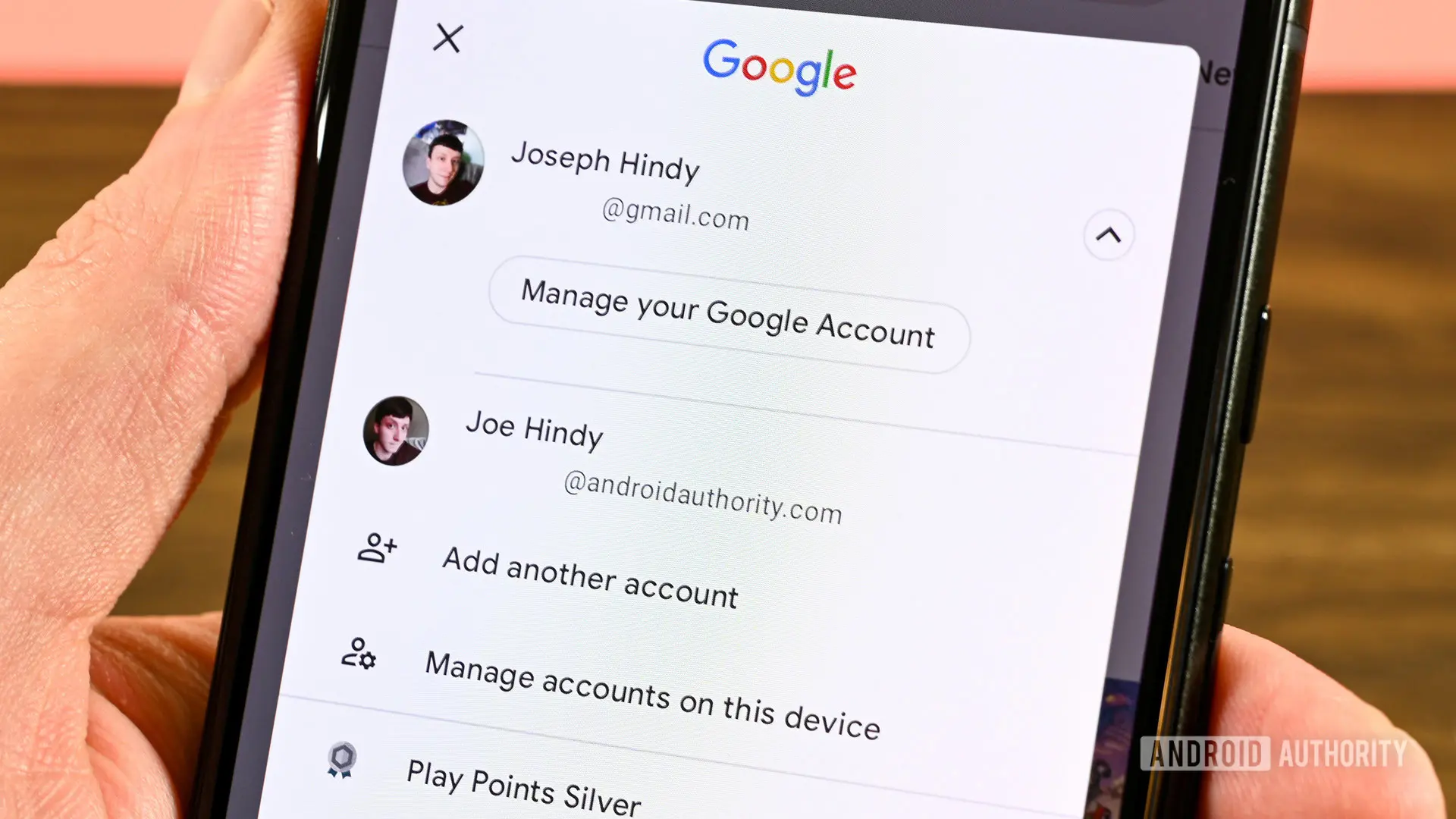
Losing access to your Google account is a nightmare scenario for many. It could mean losing years of emails, photos, and countless other digital assets. But a recent incident has introduced a new kind of horror: losing control over a 17-year-old personal account because Google mistakenly flagged it as a managed, enterprise-level account.
Gary Rosenbaum, a Google One subscriber, has been dealing with this exact situation for the past several weeks. His account, which he believed was a standard personal account dating back 17 years, suddenly started exhibiting strange behavior. Voice input stopped working across various apps, including Android Auto. Google's Gemini assistant could not access his conversation history. Google Home refused to let him perform basic setup steps. After digging into device logs, Rosenbaum concluded that Google had incorrectly applied a DISABLED_BY_ADMIN_POLICY restriction to his account—a restriction meant for managed accounts used by businesses or educational institutions.
The implications of this classification are severe. Managed accounts are controlled by an administrator who can set limits on features and services. In Rosenbaum's case, there is no administrator, leaving his account in a kind of limbo where important settings are locked but no one can unlock them. This has made it impossible for him to use essential Google services normally.
How Google Accounts Are Classified
Google offers several types of accounts: personal, work, school, and organizational. Personal accounts are the most common, created with a Gmail address and used by individuals for free email, storage, and other services. Managed accounts, on the other hand, are typically part of Google Workspace (formerly G Suite) and are managed by an organization's IT department. These accounts have restrictions like disabling third-party app access, limiting device management, or preventing certain features like voice input for security reasons.
The distinction is usually clear. However, mistakes can happen, especially when accounts are migrated or when automated systems misclassify user data. In Rosenbaum's case, it appears a glitch or human error caused his personal account to be tagged with an enterprise policy flag.
The Troubleshooting Nightmare
Rosenbaum has spent nearly a month trying to resolve the issue with Google support. He has been bounced between different support teams—hardware support for his Pixel 8 Pro, Google One support for his subscription, and general account support. Each team has asked him to perform troubleshooting steps that are impossible because his account lacks the necessary permissions. For example, he cannot access account management tools that would allow him to change settings or see the policy applied.
In an email to Android Authority, Rosenbaum described the frustration: "This lockout didn’t cause my health issues, but losing my primary tool right now has made everything a massive struggle. I am navigating a really demanding personal timeline while acting as a full-time caregiver, and I rely heavily on Gemini to help me organize my thoughts, map out data, and keep things structured. Because Google’s Tier 3 support has been stuck in a holding pattern, I am completely cut off from my own historical database and established context."
He has even filed formal complaints with the Consumer Financial Protection Bureau, the Florida Office of the Attorney General, and the Florida Department of Agriculture and Consumer Services. So far, none of these actions have brought a solution.
Not a Widespread Problem—Yet
As of now, this appears to be an isolated incident. No other users have reported similar issues on public forums or social media. That is good news for most Google users, but it also means the problem may not get the attention needed for a quick fix. Google's support system is designed to handle common issues, but rare edge cases like this can fall through the cracks.
The incident raises questions about the robustness of Google's account classification systems. If a single personal account can be mislabeled as managed, what prevents hundreds of others from suffering the same fate? Google's automated processes rely on heuristics and user data to determine account types. A mistake in those algorithms could have widespread consequences.
Additionally, the lack of a straightforward escalation path for such issues is concerning. Rosenbaum has been unable to reach anyone who can manually reset his account's policy flags. This suggests that even internal Google tools may lack the granularity to fix such errors without significant effort.
What You Can Do to Protect Your Account
While this case is rare, it highlights the importance of regular account backups and maintaining alternative contact methods. If your Google account is your primary hub for emails, photos, and documents, consider using Google Takeout to export your data periodically. Also, ensure your recovery email and phone number are up to date so you can verify your identity if you lose access.
For users of managed accounts who suspect a misclassification, the only current path seems to be persistent escalation through customer support. Document everything—conversation logs, timestamps, and ticket numbers. If possible, ask to speak with a supervisor or advanced support specialist who can access backend systems.
Google has not publicly commented on Rosenbaum's case, and it's unclear if they will implement any changes to prevent similar errors. The company's AI-driven support systems may not be equipped to handle edge cases that require human judgment. As AI becomes more prevalent in customer service, such incidents may become more common unless proper safeguards are in place.
The Human Cost of Automated Errors
Beyond the inconvenience, there is a real human cost to such technical glitches. Rosenbaum relies on his Google account not just for convenience but for managing his health and caregiving responsibilities. Losing access to Gemini's organizational features has disrupted his daily routine and added stress to an already challenging situation.
This case is a reminder that digital services are not just tools—they are integral to modern life. When those services fail due to system errors, the consequences can be far-reaching. Users place immense trust in companies like Google, trusting that their accounts will remain stable and accessible. That trust is fragile, and incidents like this can erode it.
It remains to be seen whether Google will offer Rosenbaum a resolution or if he will have to resort to legal action. In the meantime, other users should stay vigilant and consider diversifying their digital ecosystem to reduce reliance on any single provider. Remember that no platform is immune to errors, and having backups can make all the difference when things go wrong.
For now, the story of the 17-year-old Google account stuck in managed limbo serves as a cautionary tale about the vulnerabilities inherent in our digital identities.
Source: Android Authority News